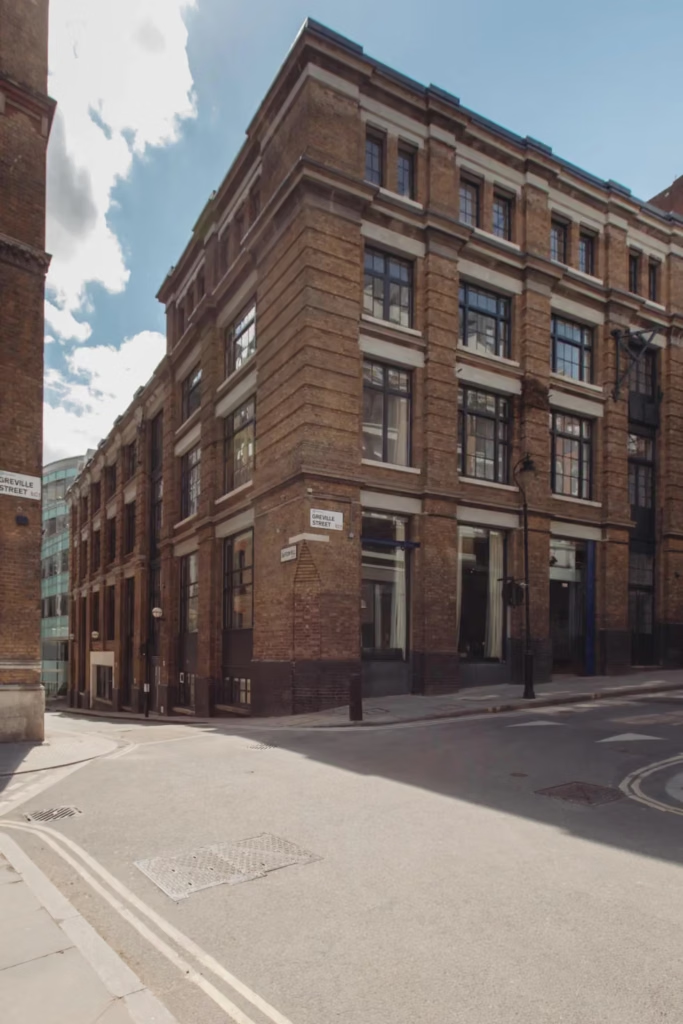
24 Greville Street, Farringdon
EC1N 8SS
POA
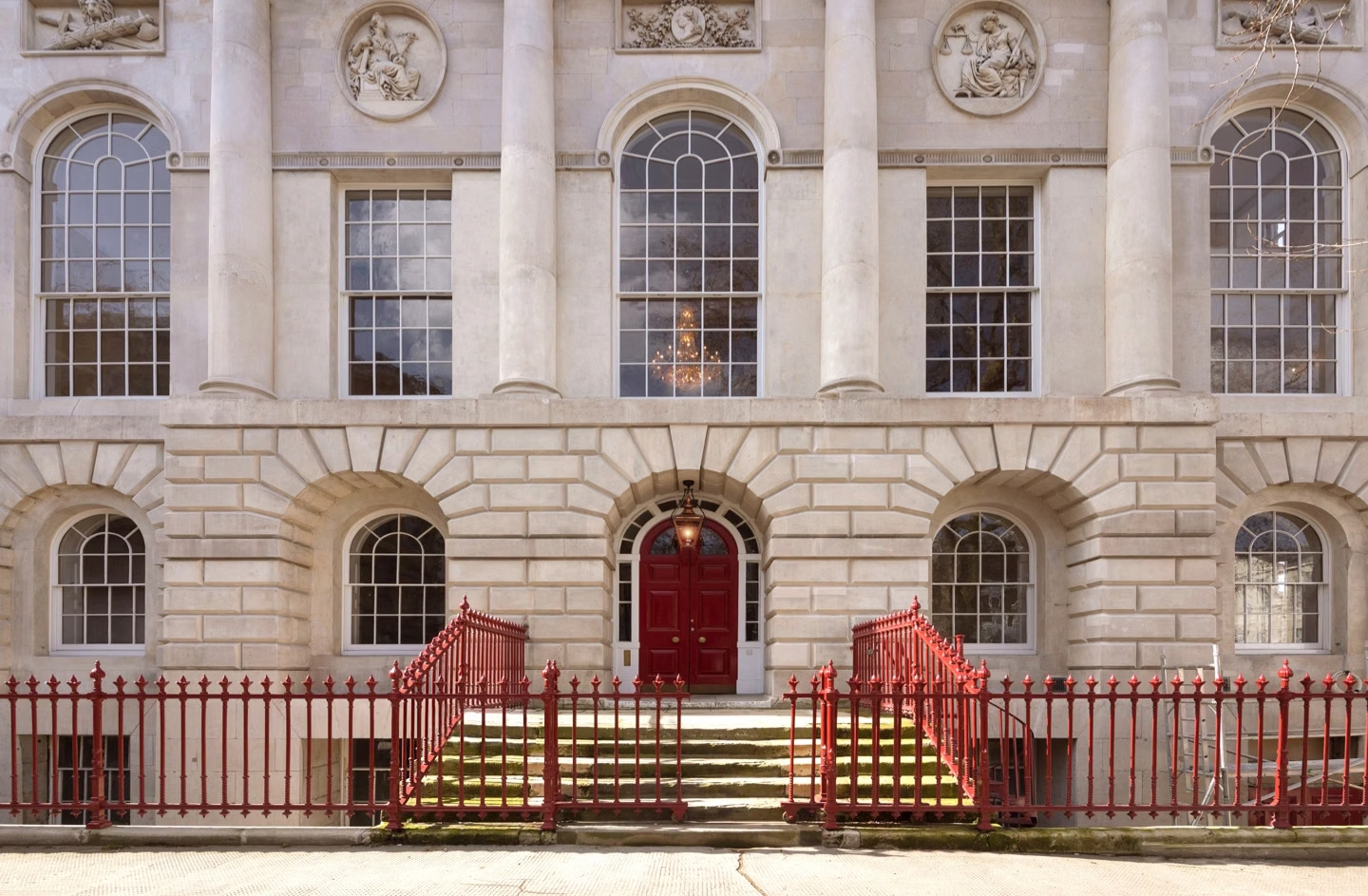
Farringdon is located in the EC1 postcode and at the southern tip of the Knowledge Quarter, making it one of the best-connected office locations in London. Farringdon station brings the Elizabeth line, Thameslink and the Circle, Metropolitan and Hammersmith & City lines together in one place, putting Liverpool Street three minutes away, Bond Street five and Canary Wharf ten. Desk rates run from £400 to £1200 per desk per month. Office stock is dominated by authentic warehouse conversions, with exposed brickwork, timber beams and cobbled streets. Floor-plates are typically 5,000 to 8,500 sq ft and ceiling heights well over three metres. Farringdon draws AI, technology, fintech and design businesses that want King’s Cross character and connectivity without the premium price. – Last updated
| Budget tier | Essential | Comfort | Premium |
|---|---|---|---|
| From (£/desk) | £350/month | £600/month | £800/month |
| To (£/desk) | £600/month | £800/month | £1,100/month |
| Building grade | Functional, no-frills space on a tight budget | Authentic refurbished warehouse spaces with good amenities | Warehouse buildings redeveloped to Grade A |
| Where in the area | Bowling Green Lane, Snow Hill, Saint John's Lane, lower Farringdon Road |
Farringdon Road, Clerkenwell Close and Clerkenwell Road. |
Northburgh Street, Charterhouse Street, Cowcross Street, Clerkenwell Green |
Farringdon sits at the southern tip of the Knowledge Quarter, which is why the occupier base skews so heavily to AI, technology and fintech businesses wanting that connection without a King’s Cross address. Underneath that sits an older trade. Interior design, office fit-out and furniture were what Farringdon was known for long before anyone used the phrase Knowledge Quarter, and that trade is still here which is why the creative and design element has never washed out. The area has become a melting pot with Clerkenwell, drawing businesses that want somewhere genuinely central they can still afford. The hospitality around them is independent rather than corporate, which is a large part of the appeal.
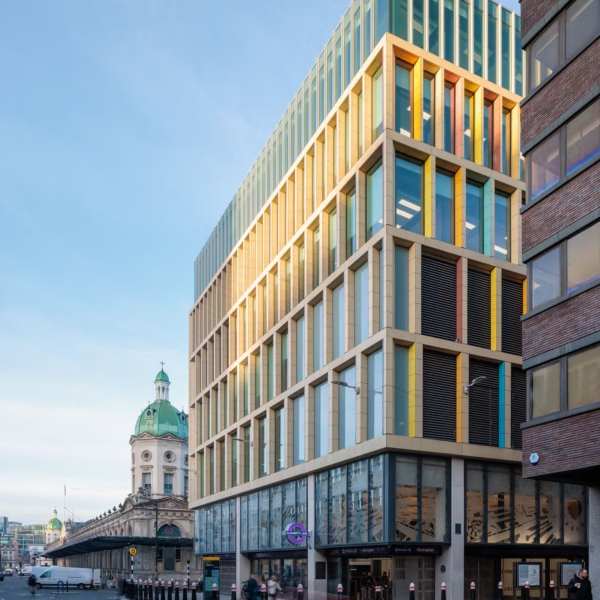
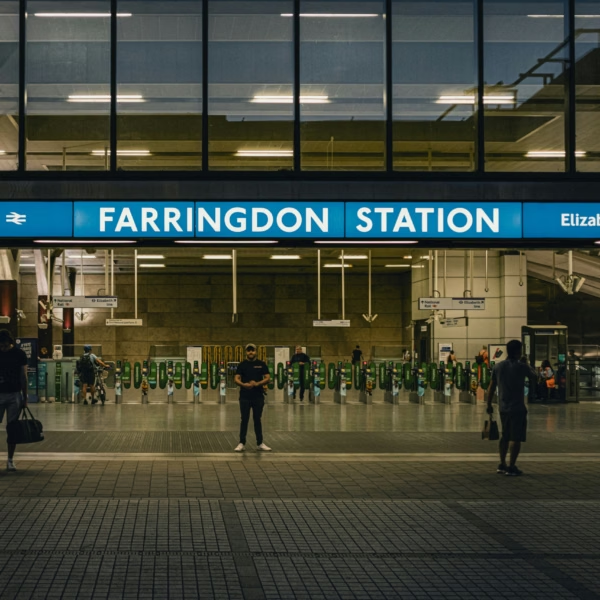
The Elizabeth line changed Farringdon, and it is not an exaggeration to say so. The station now combines the Elizabeth line, Thameslink and the Circle, Metropolitan and Hammersmith & City lines, with a second entrance opening towards Smithfield Market and the Barbican. Liverpool Street is three minutes, Bond Street five, Paddington eight and Canary Wharf ten. Thameslink runs north to south from Cambridge down through London and beyond. Barbican station adds the air-conditioned Hammersmith & City line through the City, out to Hammersmith and via King’s Cross, which is one stop away.
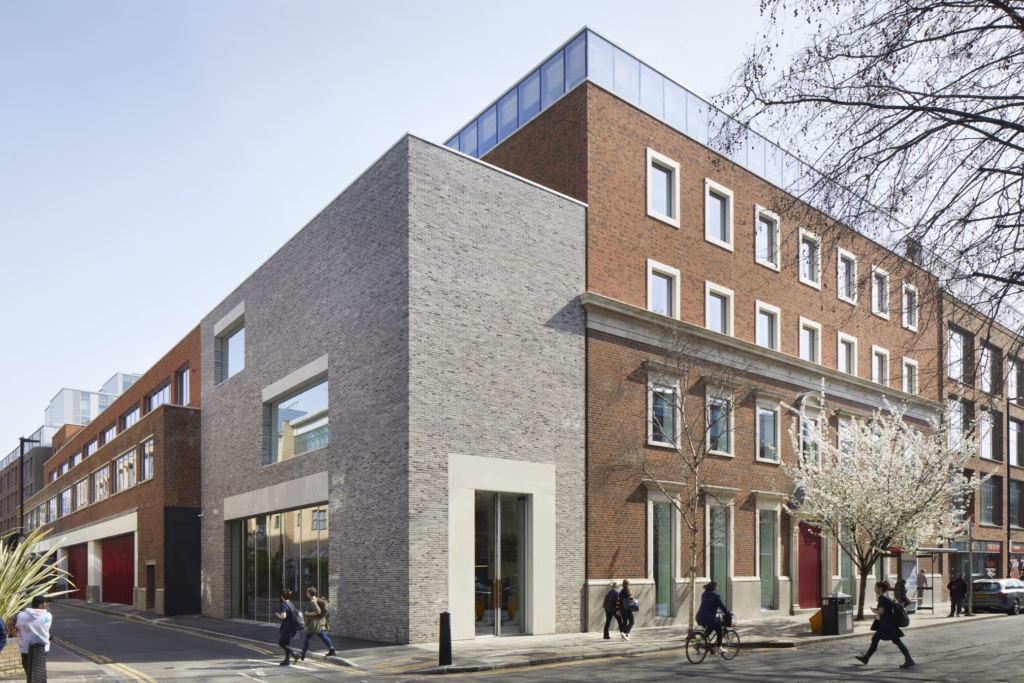
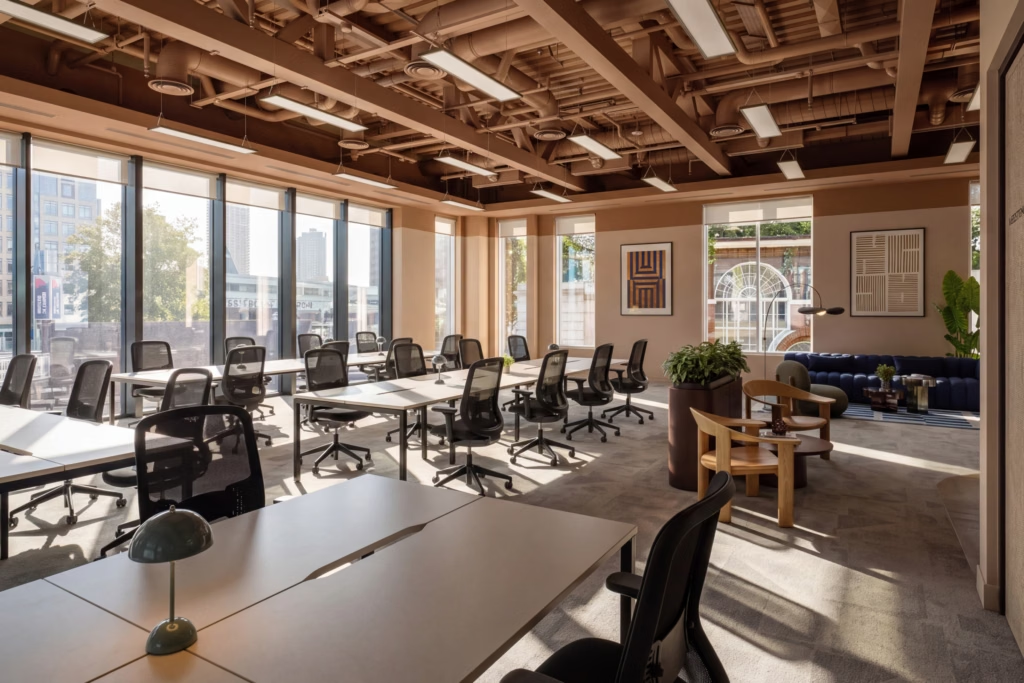
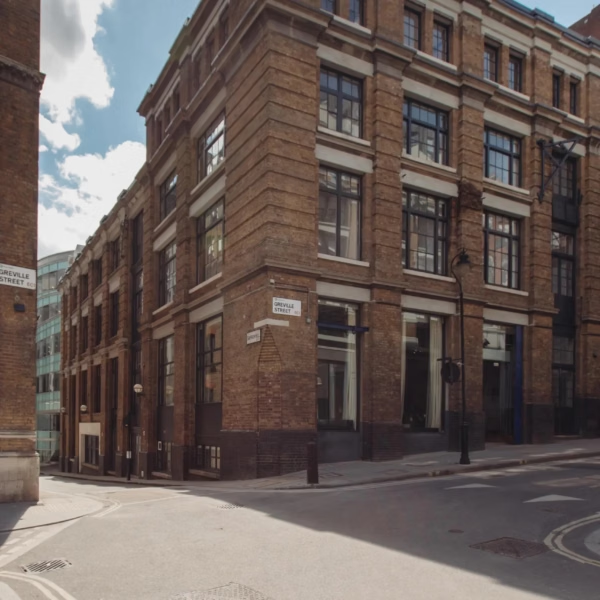
Exposed timber beams, exposed brickwork, classic London yellow brick and warehouse and old carriage buildings on cobbled streets. Modern development has been mixed in over the years, including a significant amount of Grade A glass, but the warehouse stock is what the area is famed for and the conversions are genuine rather than styled in. The catch is size. Floor plates run typically 5,000 to 8,500 sq ft rather than the 20,000 sq ft floors of the City or Canary Wharf, so a large requirement usually means more than one floor, with ceiling heights well over three metres as the compensation. Good value office space that has not been refurbished can still be found provided you are not fussy about fit out.
Farringdon and Clerkenwell merge into one area and anyone who has walked both will tell you there is no obvious point where one ends and the other begins. Farringdon is the transport heart of that wider area, and Charterhouse Square and the Barbican blend in alongside. The comparison with real money attached to it is King’s Cross. Farringdon sits at the southern end of the Knowledge Quarter with King’s Cross at its centre and the King’s Cross flexible market is heavily concentrated with one operator across its best buildings. A business that loves King’s Cross character but not the price is one stop or a 20-minute walk away with an average of £604 per desk against roughly £1,000 to £1,800 on the King’s Cross estate.
“I’m sure some of the Farringdon area snobs wouldn’t like me saying this, but having walked these streets for almost 25 years, I think Farringdon and Clerkenwell merge into one neighbourhood. If someone loves the feel of King’s Cross, particularly the exposed brick buildings and character offices, but their budget doesn’t stretch that far, then Farringdon is often the obvious answer. There are still opportunities to find excellent value in buildings that perhaps haven’t had millions invested into them, but where the character shines through. Sometimes all they really need is upgraded air conditioning and good furniture to create an exceptional workplace. The businesses I’d steer away are those that really need a destination market, somewhere like Mayfair, King’s Cross itself or the City. Despite the transport links, Farringdon is still seen as more of a fringe location than those core districts.”
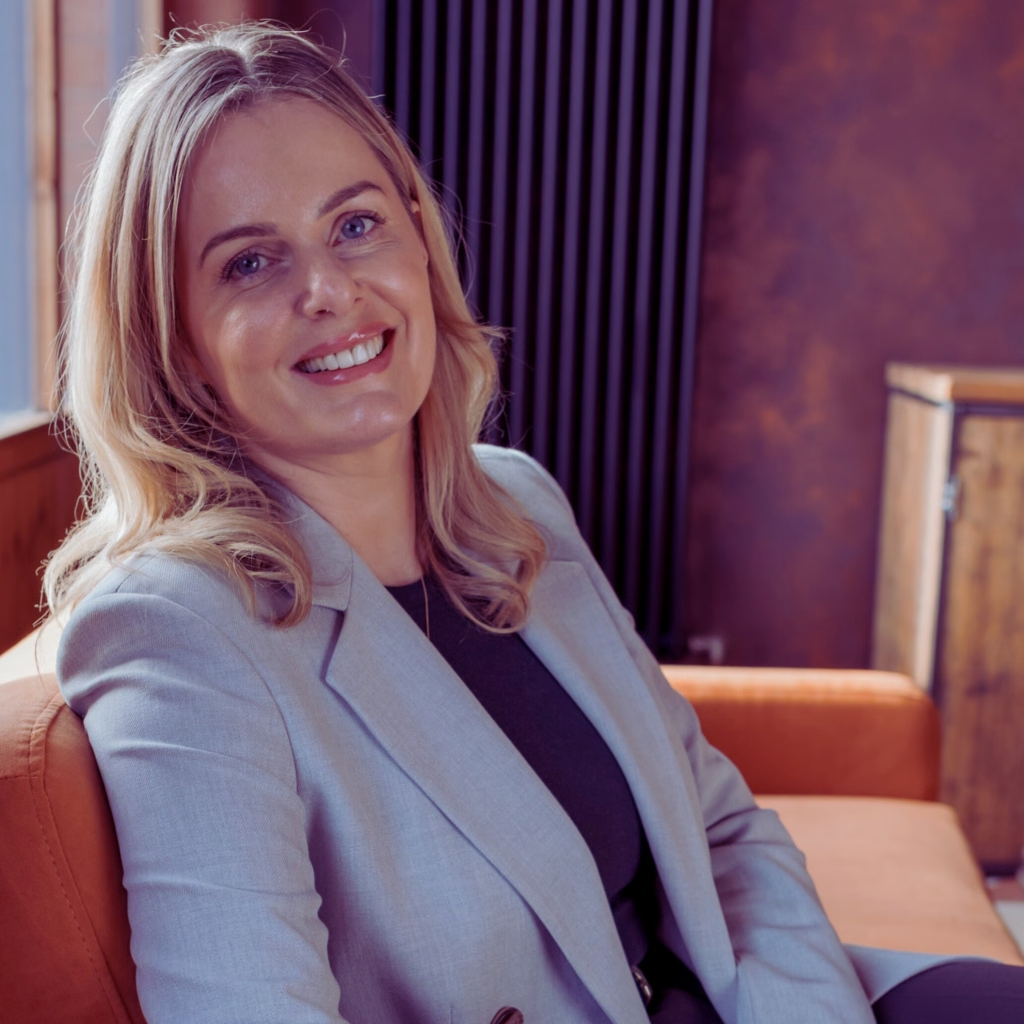
Chris Meredith, ADAPT Founder & CEO
 Chris Meredith, Founder & CEO
The average private office in Farringdon is around £604 per desk per month, against a London average of £517. The cheapest space is around £400 per desk but for the highest quality Grade A refitted space prices go above £1000 a desk
Considerably, once you compare like with like. The best King’s Cross office space is around £1,000 to £1,800 per desk. Farringdon’s average desk rate is around £604, and only one stop south or a 20-minute walk away.
It is the southern tip of the Knowledge Quarter, so it carries the cluster connection without a King’s Cross address or premium office rental. It also avoids being tied to the single operator that dominates King’s Cross flexible space.
Mostly AI, technology and fintech, sitting on top of an older interior design, office fit-out and furniture trade that was here long before the Knowledge Quarter had a name. That trade is why the creative element has never washed out.
Anyone who needs a destination address. Despite the transport, Farringdon still reads as a fringe location next to Mayfair, King’s Cross or the City, so a business trading on its address should look elsewhere.
Farringdon station carries the Elizabeth line, Thameslink and the Circle, Metropolitan and Hammersmith & City lines. Barbican station nearby adds the same Hammersmith & City line, which is air conditioned and runs through the City towards Hammersmith.
Around ten minutes on the Elizabeth line. The same line puts Liverpool Street three minutes away, Bond Street five and Paddington eight.
Terminals 2 and 3 are around 38 minutes on the Elizabeth line, with services roughly every 20 minutes. Terminal 5 takes longer and has only a handful of direct services, so most journeys there involve a change.
It is a reasonable claim. Few locations bring this many modern services together in one station, and the Elizabeth line, Thameslink and Hammersmith & City combination is unusual. The Elizabeth line is what changed it.
Businesses no longer have to choose between a Central London base and attracting staff from West or East London, because the Elizabeth line makes commuting from either direction considerably easier.
In practice very little. They merge into one area with very similar personalities, and there is no obvious point where one finishes and the other begins. Farringdon is the transport heart of the wider area.
Warehouse and old carriage buildings on cobbled streets, with exposed timber beams, exposed brickwork and classic London yellow brick. A significant amount of modern Grade A glass now sits alongside that historic stock.
They are. WeWork famously tried to recreate the aesthetic by making modern buildings feel like converted warehouses. Farringdon has the real thing, redeveloped to Grade A standard or into managed office products.
Usually 5,000 to 8,500 sq ft per floor, against the 20,000 sq ft floor plates of the City or Canary Wharf. A large requirement often means more than one floor. Ceiling heights are often well over three metres.
Yes. There are office buildings that have not had millions spent on them but where the character makes the space, and the work needed is often upgraded air conditioning and good furniture rather than a full refit.
Yes. There has been significant Grade A development, with modern glass buildings alongside the historic stock, and many of the authentic warehouse buildings have themselves been redeveloped to Grade A standard.
Yes. The converted warehouse offices around Farringdon Road run to ten or fifteen addresses offering authentic warehouse space on a fully managed basis, many with terraces and shared meeting facilities.
Massively. Before COVID it was best known for nightlife. The Elizabeth line opening, post-COVID changes in how people use Central London, and the work around Smithfield have changed the feel of the area entirely.
Charterhouse Square, the Barbican and Clerkenwell all blend together, so it reads as one connected neighbourhood rather than separate districts. The bars, restaurants and hospitality are noticeably less corporate than elsewhere in central Central London.







After trying larger brokers, we missed the personal and bespoke approach. We went with ADAPT and saved over £50k a year! Highly recommended.
Adam, Director, Tech Recruitment Company

Team at ADAPT are quite simply amazing! They take the stress out of finding the perfect space. I saved a huge amount on our office too.
Victoria, Global Senior VP, SaaS company

I’ve worked with Kirsty for over 15 years. She continues to understand us and I can always trust her to deliver the best office at the best possible price.
Danielle, Sales Director, FlexSpace Operator