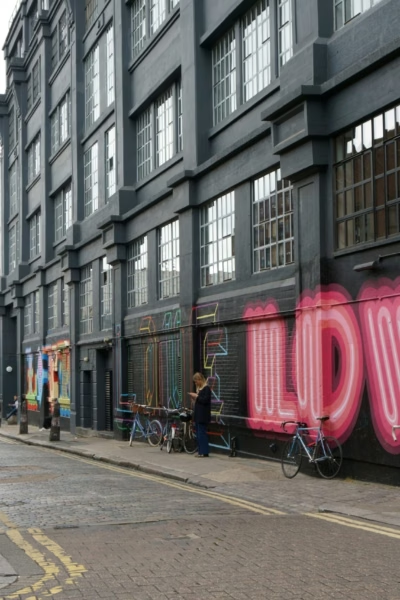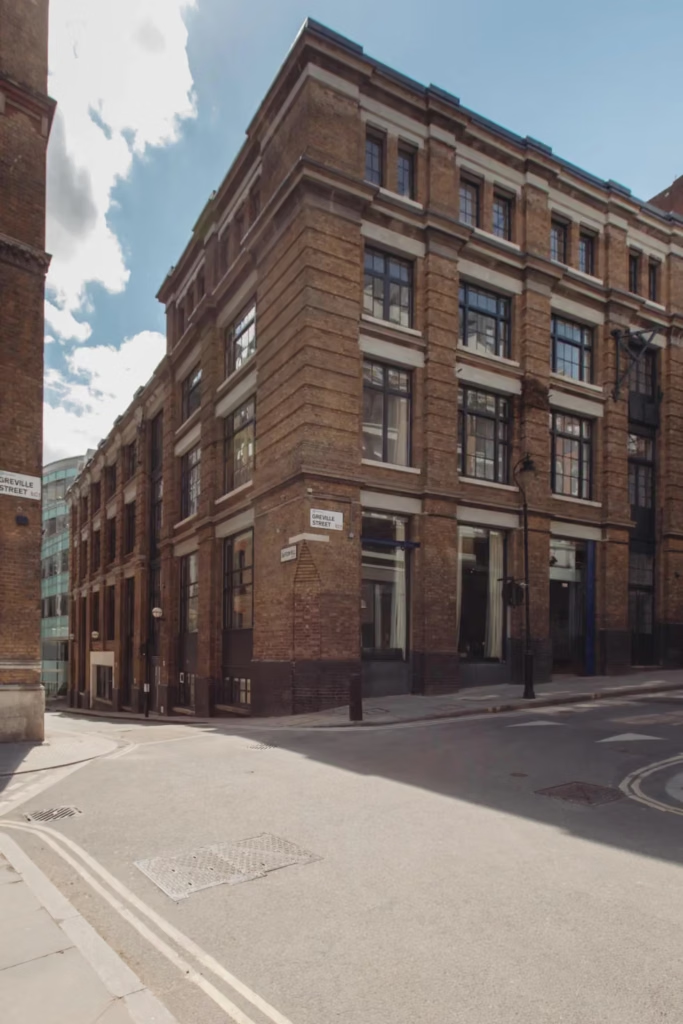
24 Greville Street, Farringdon
EC1N 8SS
POA
The Central London office space market is made up of 20 areas each of which has its own building stock, price points and occupier base. Desk rates run from £300 to £2,500 per desk per month across over 800 flexible, serviced and managed office buildings within Zone One. The same physical standard of office space can cost £700 a desk in one area and £2,000 in another. King’s Cross is the most expensive market where price is driven by demand from AI and Tech businesses heavily outstripping supply. When it comes to choosing where to base your office it depends what your business does, where your staff travel from and how. – Last updated
| Budget tier | Essential | Comfort | Premium |
|---|---|---|---|
| From (£/desk) | £300/month | £500/month | £800/month |
| To (£/desk) | £500/month | £800/month | £2,500/month |
| Building grade | Older or lightly refurbished stock, with limited shared facilities rather than any specific amenity floors. | Refurbished and purpose-built flexible space, along with some elevated amenities such as breakout space and terraces. | The most amenity-rich buildings with roof terraces, gyms and end-of-trip facilities, or prestige townhouse stock with top addresses. |
| Where in the area | Stratford, Canary Wharf and Hammersmith. The wider Docklands. The cheapest floors in fringe City and Midtown buildings. |
Waterloo, Southwark and London Bridge. Shoreditch and Old Street. Paddington, Farringdon, Holborn and Victoria. The City around Liverpool Street. |
Mayfair and St James's, Soho, Covent Garden and the King's Cross estate. |
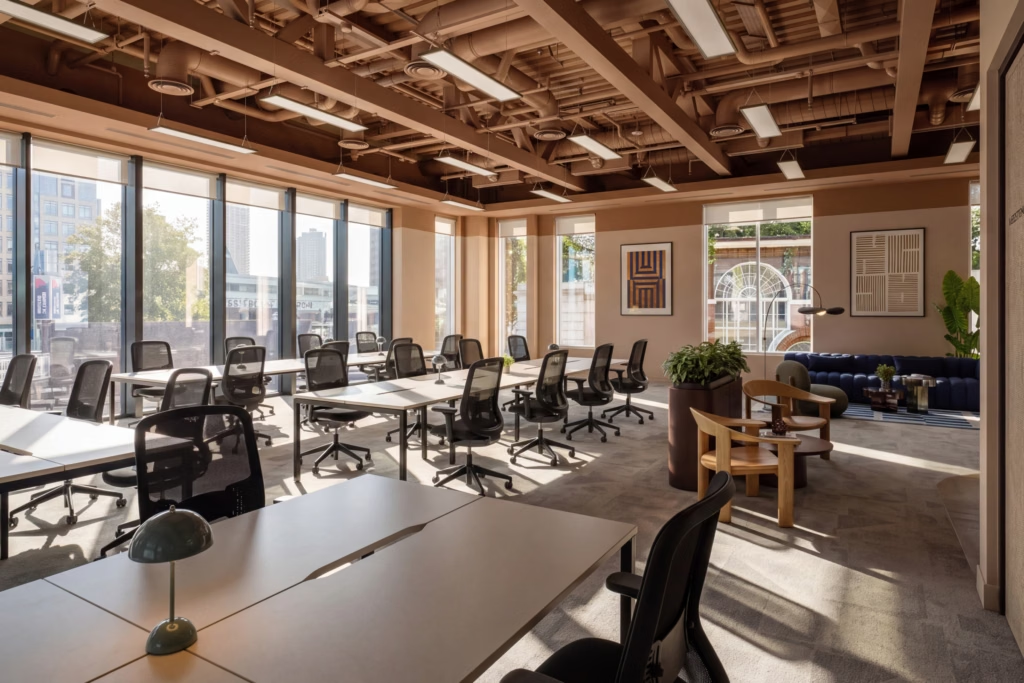


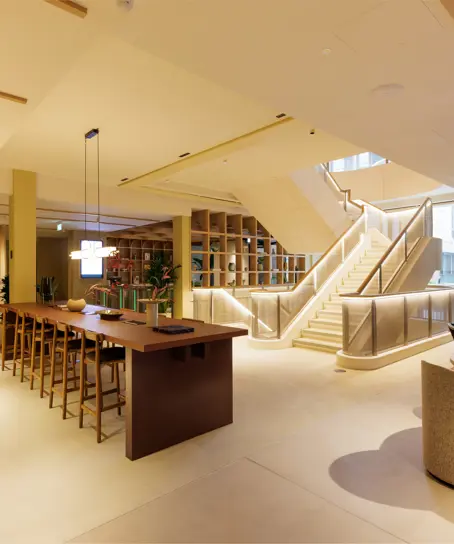
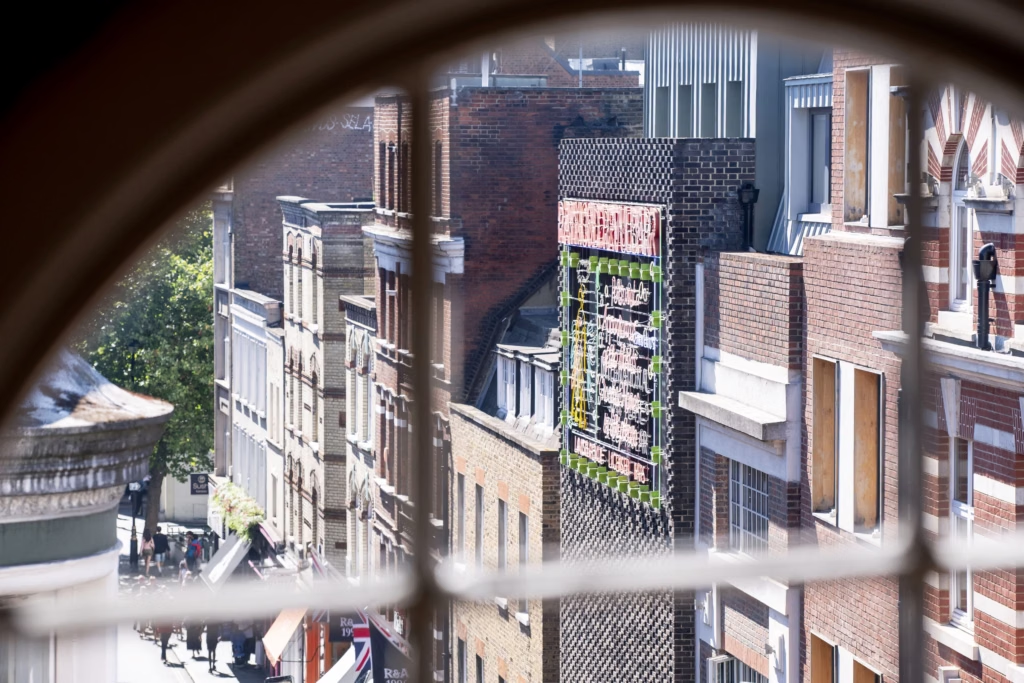
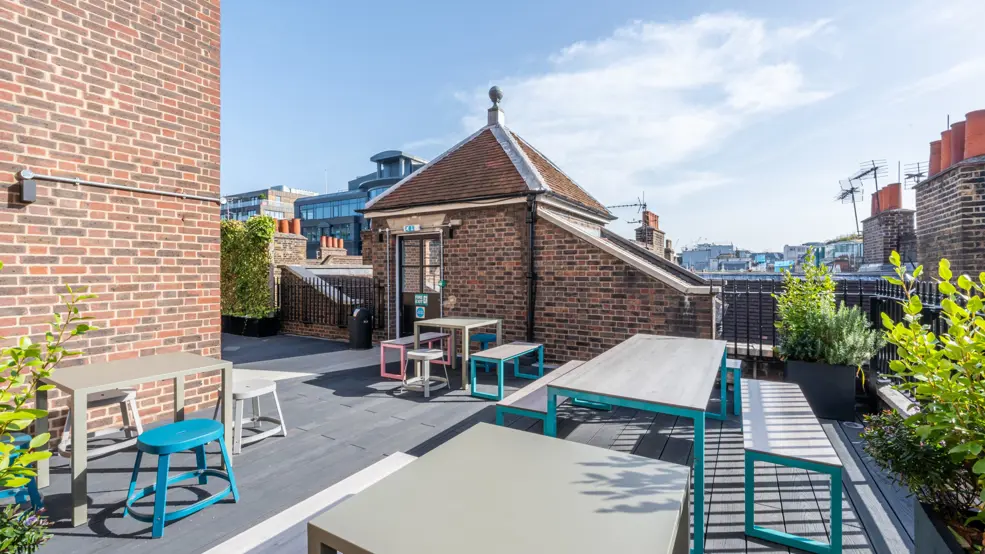
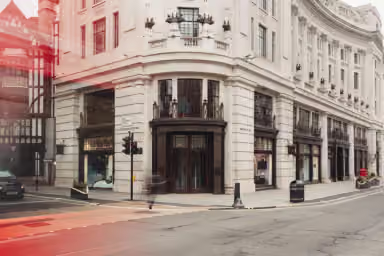
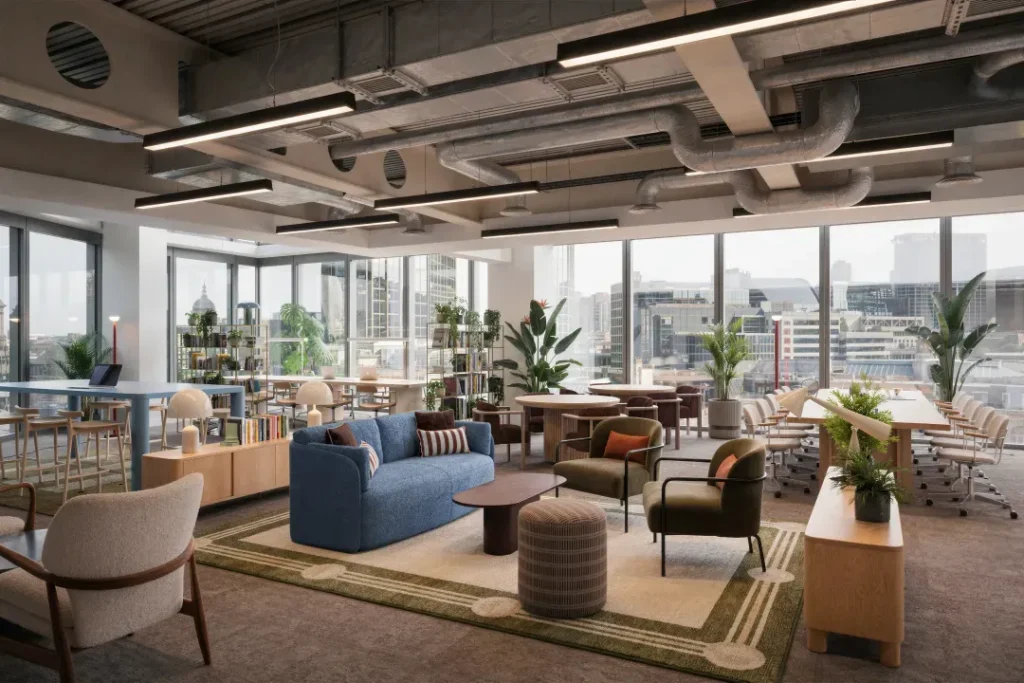

Areas and office markets within Central London hold their character for reasons that outlast the businesses that created them. Fleet Street still draws journalists, PR and media firms despite losing newspapers decades ago. Soho retains advertising and film. Private equity, hedge funds and family offices stay within Mayfair and St James’s. Fintech chose to sit around the City rather than in it so they are close to the businesses they sell to without the need to be right on top of Bank. Barristers cluster at Temple near the Inns of Court, corporate law in the City and family law nearer to Holborn. AI has concentrated in the Knowledge Quarter but not exclusively as it has also appeared in Soho. These are not rules, but more patterns and trends that businesses follow in the London office market.

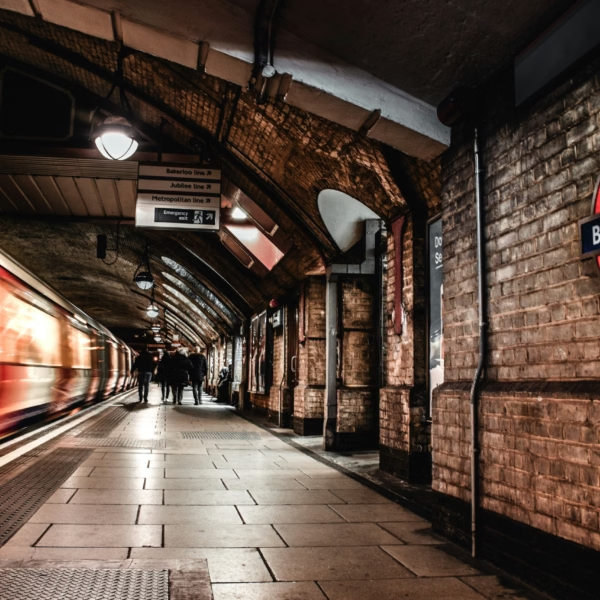
There is no area of Central London that is poorly connected and so when choosing an office space it is practical to narrow down locations by the mainline stations your staff actually use. Paddington serves the west with the Elizabeth line and the Heathrow Express. Marylebone connects to the north west and Oxfordshire, Euston to Birmingham, Manchester and Liverpool and King’s Cross to Cambridge, the east coast and the north, with Eurostar next door at St Pancras. Thameslink runs though King’s Cross and Farringdon. Moving round the city you have Liverpool Street, Fenchurch Street, London Bridge, Waterloo, Blackfriars and Victoria. Think about which connections matter most to your team and plan your office search around that.
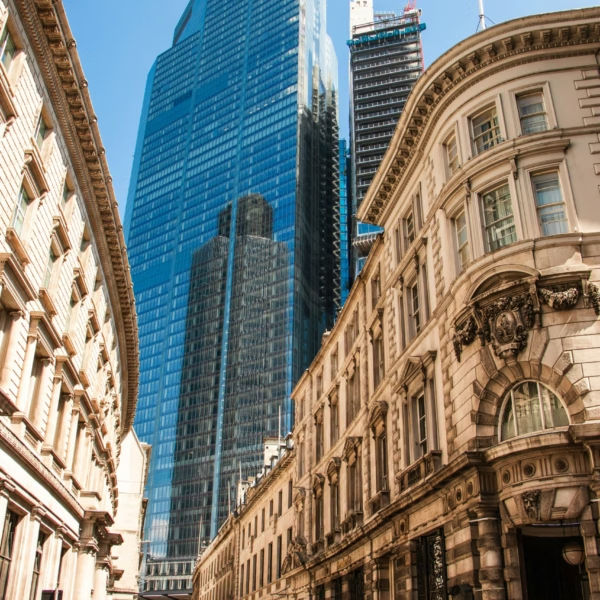
The same money buys completely different offices in London as it is all dependant on where you spend it. The City and Canary Wharf have large floor-plates, towers, substantial reception areas and increasingly high spec amenities because there is room to build. Soho, Fitzrovia and Covent Garden cannot build or expand in that way as listed buildings and conservation areas mean more money goes into bringing historic stock up to modern standard whilst retaining character to provide teams with timber floors, beams and a private terrace. Mayfair and St James’s run on tradition, town-houses and long held prestige. Converted warehouses dominate Farringdon and Clerkenwell. King’s Cross has the most amenity-rich office buildings in the country.
Cost and value are completely different things when it comes to office space in Central London, with the gap being the widest at the top of the market. The same standard of office space that can cost upwards of £2,000 a desk in King’s Cross could be found elsewhere in London for a cost closer to £700-£750 per desk. In London, the premium attached to an office space is not based on buying a better standard of building, it is buying the address and the cluster around it. For some businesses, that premium is worth every penny, because being in the right place means they can hire the talent they need, or mix with similar businesses. For others, it is an added cost with no benefits attached. With the exception of King’s Cross, almost everywhere else in London there is a hidden gem of an office and a deal to be had.
“When a client comes looking for an office in ‘Central London’, we have to take that client on a journey to understand how we divide London up and dive into the specific areas that would work for them. You can split London into postcode areas, but that’s often not very helpful. In fact, it is better to define each area by their vibe. Covent Garden and Soho have a very similar vibe, and a lot of the same companies want to be based in both. One is W1 and one is WC2. Somebody can tell me, ‘We absolutely must be in this geographical area because of the commute.’ But I would argue that there isn’t really a poorly connected area in core Central London. And paying the same amount of money in two different areas doesn’t necessarily get you the same type of office. It’s about understanding what’s important to each specific client and their team.”
Chris Meredith, ADAPT Founder & CEO
 Chris Meredith, Founder & CEO
Across Central London, roughly £300 per desk per month is the cheapest end of the market with the most expensive space around £2,000 – £2,500 per desk. The spread is so wide because London is essentially 20 smaller sub-markets.
King’s Cross by some distance is the most expensive area of London to secure an office space, with well-funded AI and tech businesses pushing premiums up over £2,000 per desk per month making it even more expensive that Mayfair & St James’s which were always the most expensive areas traditionally.
Value is not just monetary it depends on what your business needs. The same standard of office space in King’s Cross can be found elsewhere in London for around £700 per desk, the trade off is the location. Mid town and the City fringe are consistently better value that the West End.
By postcode, character and transport hub. The most useful division is by character: for example, the West End splits into Soho, Fitzrovia, Mayfair and Marylebone and each attracts quite different businesses despite sharing a postcode.
Building stock and occupier base. The West End is characterised by smaller period buildings with conservation restrictions and a creative and wealth management occupier base, whereas the City has larger floor-plates and towers occupied by corporate and financial teams.
Soho for advertising, film and music. Covent Garden shares that character despite the different postcode. Old Street, Shoreditch and Clerkenwell suit start-ups and design businesses, and SE1 has converted warehouse space around Southwark and London Bridge.
Mayfair and St James’s for private equity, hedge funds and family offices. The City for corporate and financial law and the institutions themselves. The insurance market sits specifically around Lime Street, Leadenhall Street and Fenchurch Street.
Mainly the Knowledge Quarter, centred on King’s Cross and running out past Euston and Euston Square towards Regent’s Place. It is not exclusive though, and AI businesses have also taken office space in the heart of Soho.
It depends on the practice. Corporate and financial law gravitates to the City, family law towards Holborn, and barristers cluster around Temple and the Royal Courts of Justice because that is where the Inns of Court and chambers are.
Start with the mainline stations they use. A team travelling in on the same line narrows the search quickly, and an office immediately outside a station can beat one two stops closer with a ten-minute walk at the end. You want your team to come to the office so this is a key criteria to consider.
Not really. The core areas are all well served, so transport is rarely a reason to rule an area out entirely. It is more useful for deciding between two areas that are otherwise a similar fit if you are struggling to decide where to base your office.
In brief, a lease gives you an empty space and the cost of fitting it out. A managed office is a self-contained space the landlord fits out and runs for one monthly cost. A serviced office is a private office inside a building with shared amenities. Co-working is shared space within a serviced office building.
It can look that way, because you see one figure. But a lease rent excludes business rates, service charge, fit-out, furniture, internet and management, plus the capital you spend before moving in. It is important the figures are comparable when you are looking at the two different office products.
It comes down to how much flexibility you need, how much control you want, how much capital you want to commit, how quickly you need to move, and how certain you are about your headcount in three to five years. ADAPT can advise based on your requirements so you do not make an expensive mistake.
Considerably and this is one of the biggest changes in the office space market in recent times. It opened the West End to City businesses and vice versa, made Paddington far stronger for international companies, and buildings close to Elizabeth line stations can command a premium for that connectivity alone.
More businesses are, and not only banks. The quality of the buildings and the value they represent have brought in occupiers who would previously have looked only at the core, and the Elizabeth and Jubilee lines connect it well.
Ask what the location does for the business rather than what it costs. If being in a particular area helps you hire the people who will grow the company, the premium is buying something. If the same people would join you one stop away, it is not.